
TPU Interlayers for Laminated Glass
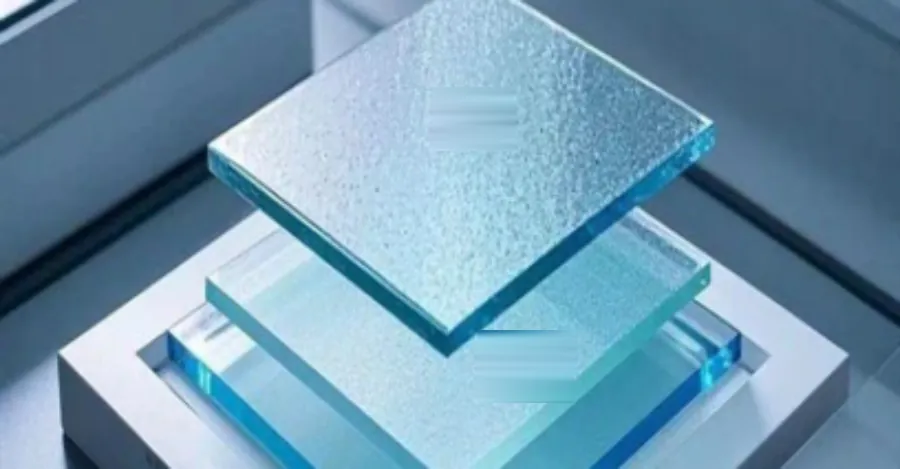
A flexible-network interlayer that absorbs impact energy and slows crack propagation, with high optical clarity, low VOC and low odour. Supplied as pellets or as custom-developed film.
Physical properties
| Grade | Hardness | Density | Tensile | Elongation | Tear | Flame |
|---|---|---|---|---|---|---|
| NL2275 | 85A | — | — | — | — | — |
Complete specifications are per the official TDS — request the current technical data sheet.
Questions this line raises
Three answers that come up before a grade is chosen — deliberately short. The technical articles go deeper wherever the answer has a mechanism behind it.
How does a TPU interlayer bond to glass?
Under heat and pressure, in an autoclave or a vacuum laminator: the TPU softens, wets the glass and bonds without an adhesive layer, and the same bond forms to PET, PC and printed film. That is what makes inserts possible — a functional layer, a printed interlayer or a decorative film can sit inside the laminate. It is not a drop-in replacement for PVB on an existing line, because the lamination cycle and the edge sealing differ. On the claim side we publish no ballistic rating: there is no GA 165, EN 1063 or UL 752 test behind this grade, so it should not be specified as bullet-resistant.
Why does odour matter in a glass interlayer?
Because the interlayer is sealed between two panes for the life of the panel — and in a vehicle, that means the cabin. Volatiles from residual monomer, antioxidant or plasticiser have nowhere to go; they fog the glass, and they are what a passenger smells in a hot car. TPU carries no plasticiser, which is its structural advantage over plasticised PVB, and the interlayer we publish is specified for low VOC and low odour. The figure worth asking for is the one measured to your own protocol: VDA 270 for odour and VDA 278 for VOC where the panel is automotive.
Do you supply film or finished parts?
We supply the material, not the converted article: pellets and compounds. Paint protection film, laminated-glass interlayer and cable jacketing shown on this site are applications of our grades, made by converters — we do not cast film or laminate glass. That distinction matters at the design stage: if you need a finished film, you need a converter, and we will talk to yours directly on grade selection rather than guessing what their line can run.